Managing different formats in one group
Define template workflows by format — not every outlet needs identical POS screens. Shared item master and tax rules prevent chaos; local modifiers can reflect market preferences.
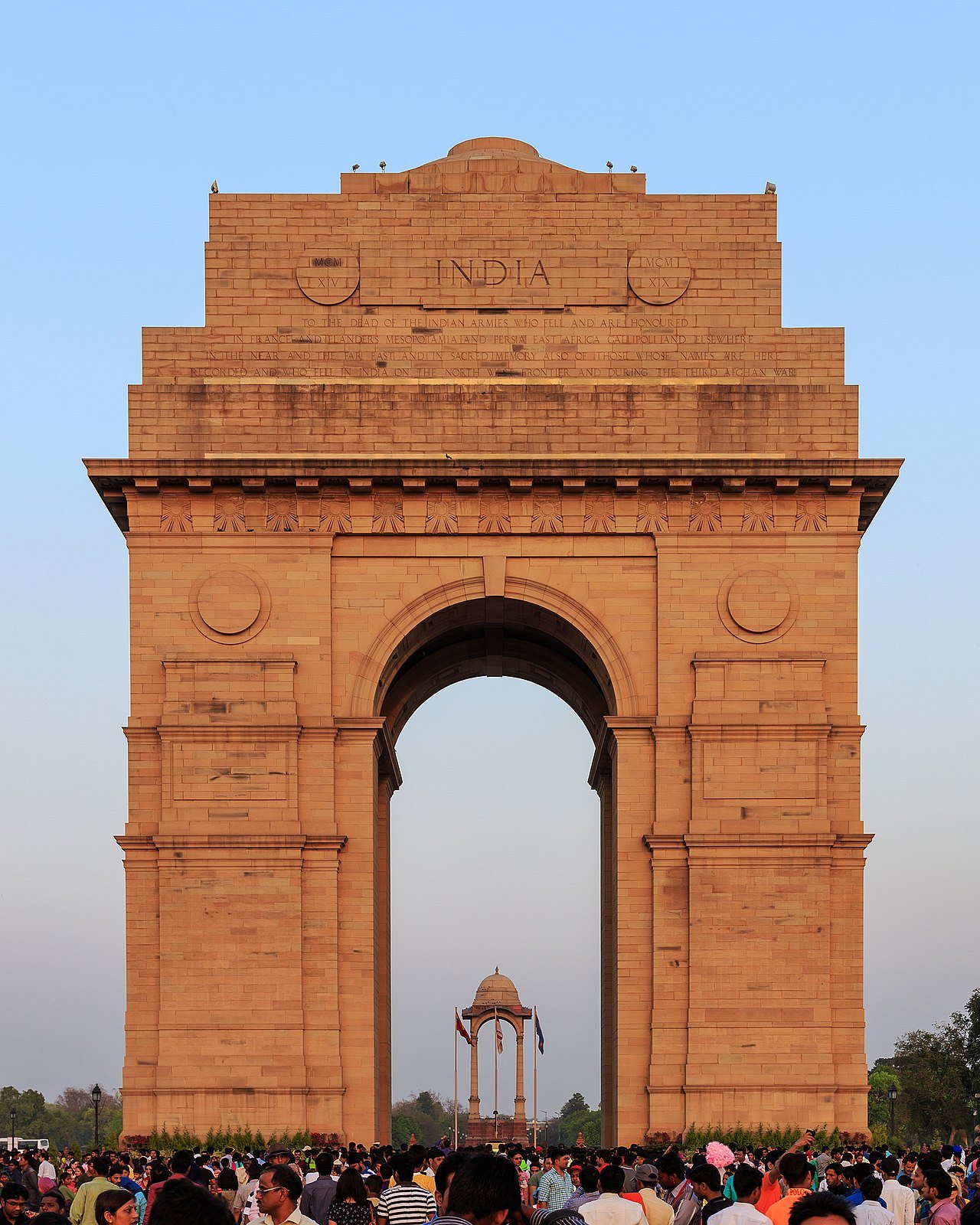
Multiple formats, central control, outlet-level accountability
Delhi operators often manage dine-in brands, delivery kitchens, and franchise-style outlets under one company. This feature-led guide highlights capabilities that matter at scale — without assuming every outlet runs identically.
Push menu and tax updates to selected outlets without re-keying at each branch.
Fine-dine table service, cloud kitchen delivery queues, and food court speed — configured per outlet type.
Compare outlet sales, item performance, and payment trends from one dashboard.
Central teams need menu and pricing governance; outlet managers need fast billing and kitchen tools; finance needs consolidated reporting. The mismatch between those needs causes tool sprawl. Below we outline how to align formats while keeping each outlet accountable for daily execution.
Define template workflows by format — not every outlet needs identical POS screens. Shared item master and tax rules prevent chaos; local modifiers can reflect market preferences.
Central purchasing policies with outlet-level receiving notes improve cost control. Match GRNs to usage where possible before expanding vendor modules.
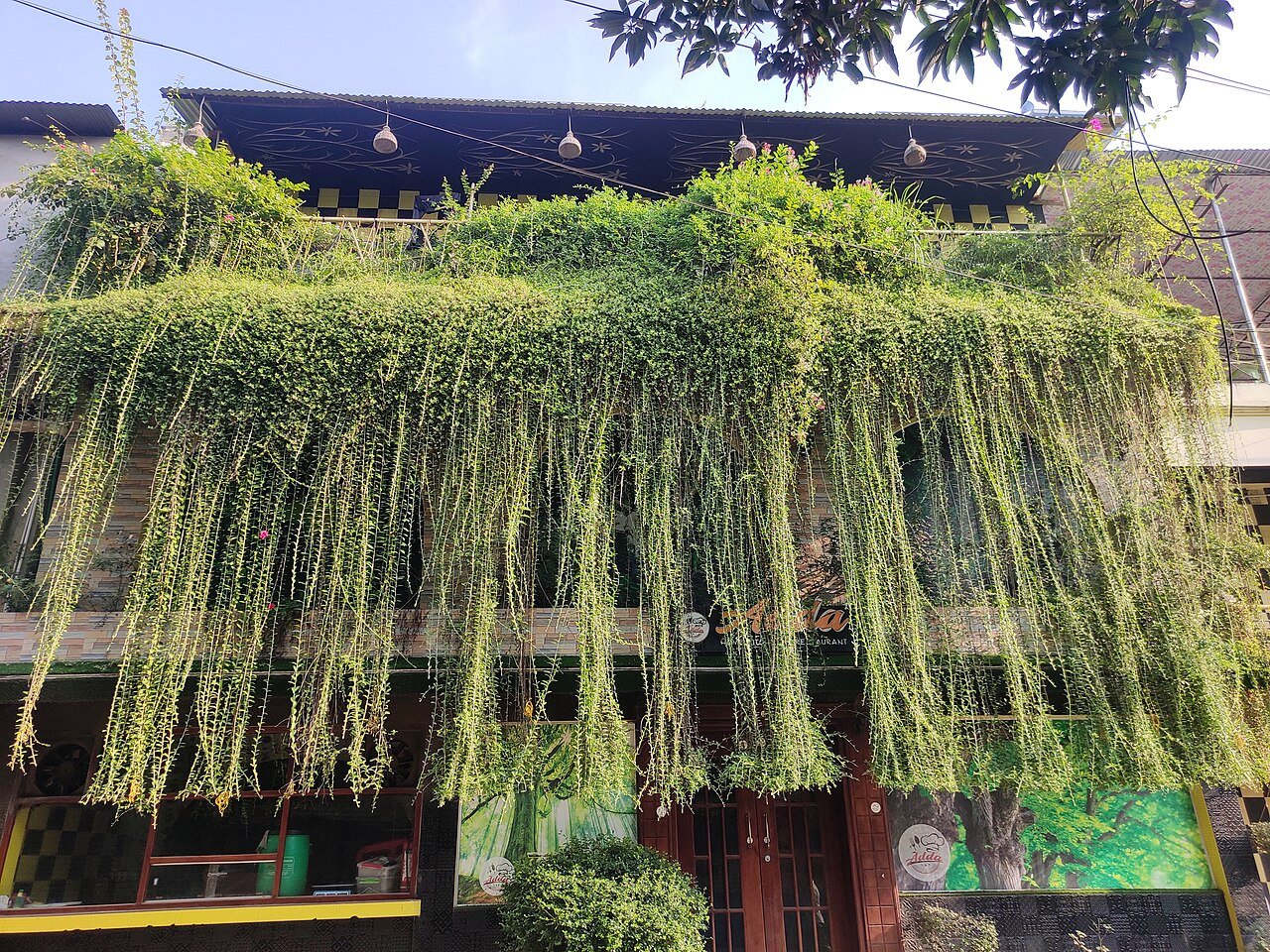
Mall and market locations need throughput. Quick keys, combo bundles, and reliable printers or kitchen displays matter more than table maps.
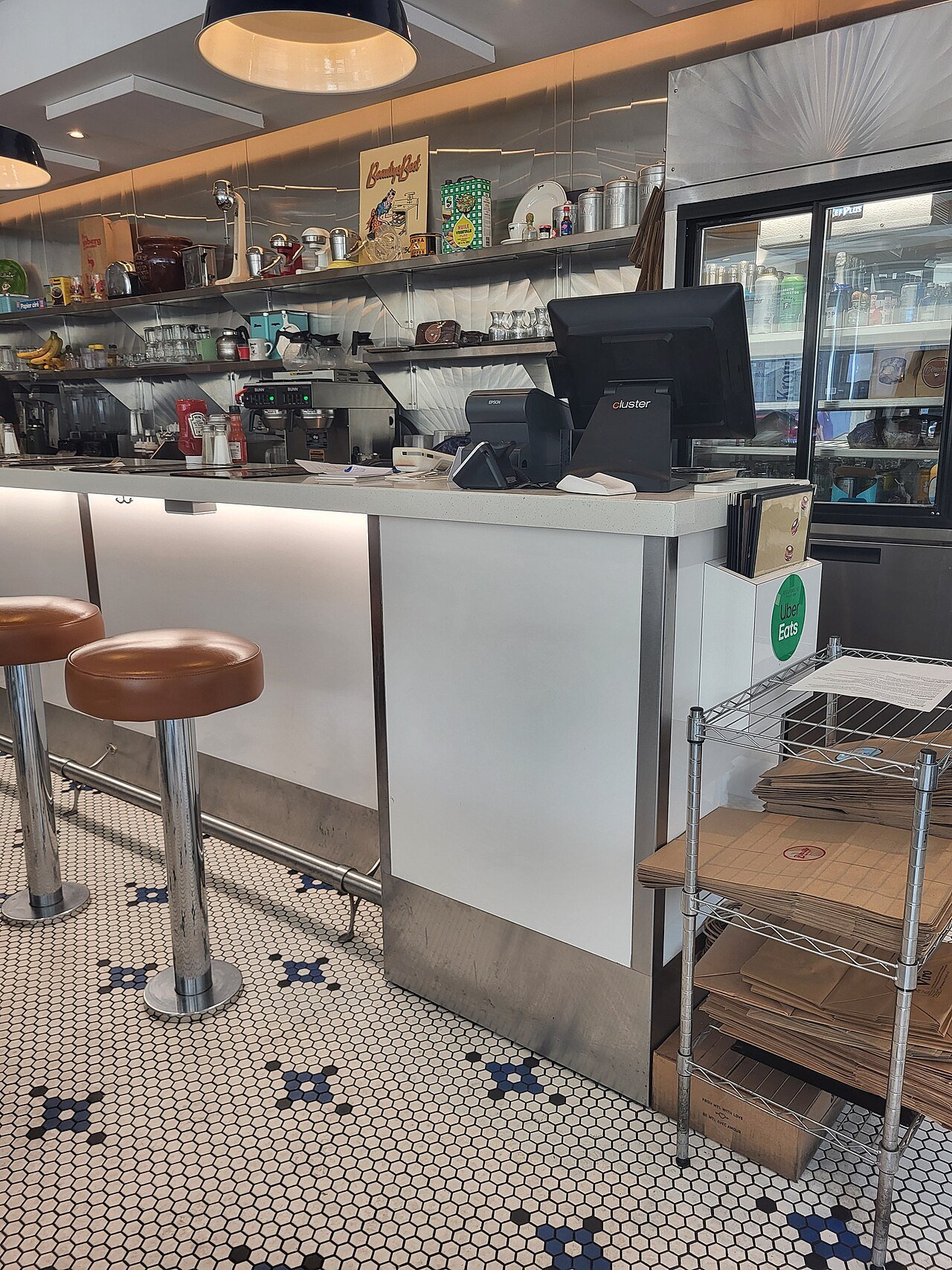
Check multi-outlet licensing, role-based access, audit trails on price changes, and API needs for future integrations. Pilot one outlet before group rollout.
This guide covers operations. For myKitchenMate features, pricing, and demos in Delhi, open the city POS page.
Delhi restaurant ops span Connaught Place and Karol Bagh density, South Extension and Hauz Khas lifestyle strips, and large residential catchments in Rohini, Dwarka, Lajpat Nagar, and Saket. Multi-outlet brands need one dashboard across localities; single outlets still need GST billing and kitchen routing that survive festival and weekend spikes.
High footfall circles — table turns, CRM, and rush-hour billing discipline.
Market density with cash/UPI mix and continuous ticket volume.
Lifestyle dining; course-wise firing and guest preference notes help service.
Café and nightlife formats — modifiers, voids, and late-shift reports.
Large residential catchment; delivery channels must share kitchen tickets with dine-in.
Sector-based neighbourhood dining with multi-outlet expansion patterns.
Market + dining overlap; inventory alerts protect high-turn SKUs.
Mall and premium rooms needing live table status and clean bill close.
Quick answers about restaurant operations in Delhi.
Pilot a representative outlet, document configuration, train champions, then phase rollout by format or region.
Yes — with format-specific workflows and shared item master data under central governance.
Our Delhi page covers multi-outlet, cloud kitchen, and fine-dine scenarios — request a demo for your portfolio size.
Menus, kitchen coordination, inventory, and group reporting — built for Indian multi-format operators.