
Running dine-in and takeaway together
Label orders clearly so kitchen prioritises correctly — table numbers for dine-in, package markers for takeaway. Billing stations may differ; reports should still roll up to one daily summary.

Dining rooms, takeaway counters, and shared kitchen pressure
Amritsar venues often serve sit-down guests and high-volume takeaway from the same kitchen. This guide covers coordinating both flows, managing food costs, and tools that keep front-of-house and back-office aligned.
Tourism and local dining create uneven demand — quiet afternoons and packed evenings. Kitchen prep and staffing should flex with predictable patterns where possible. Technology should give visibility into sales and costs without slowing service at the counter.
Label orders clearly so kitchen prioritises correctly — table numbers for dine-in, package markers for takeaway. Billing stations may differ; reports should still roll up to one daily summary.
Link key ingredients to menu items to spot variance. Review supplier invoices against usage weekly. Portion standards documented in the kitchen reduce silent margin erosion.
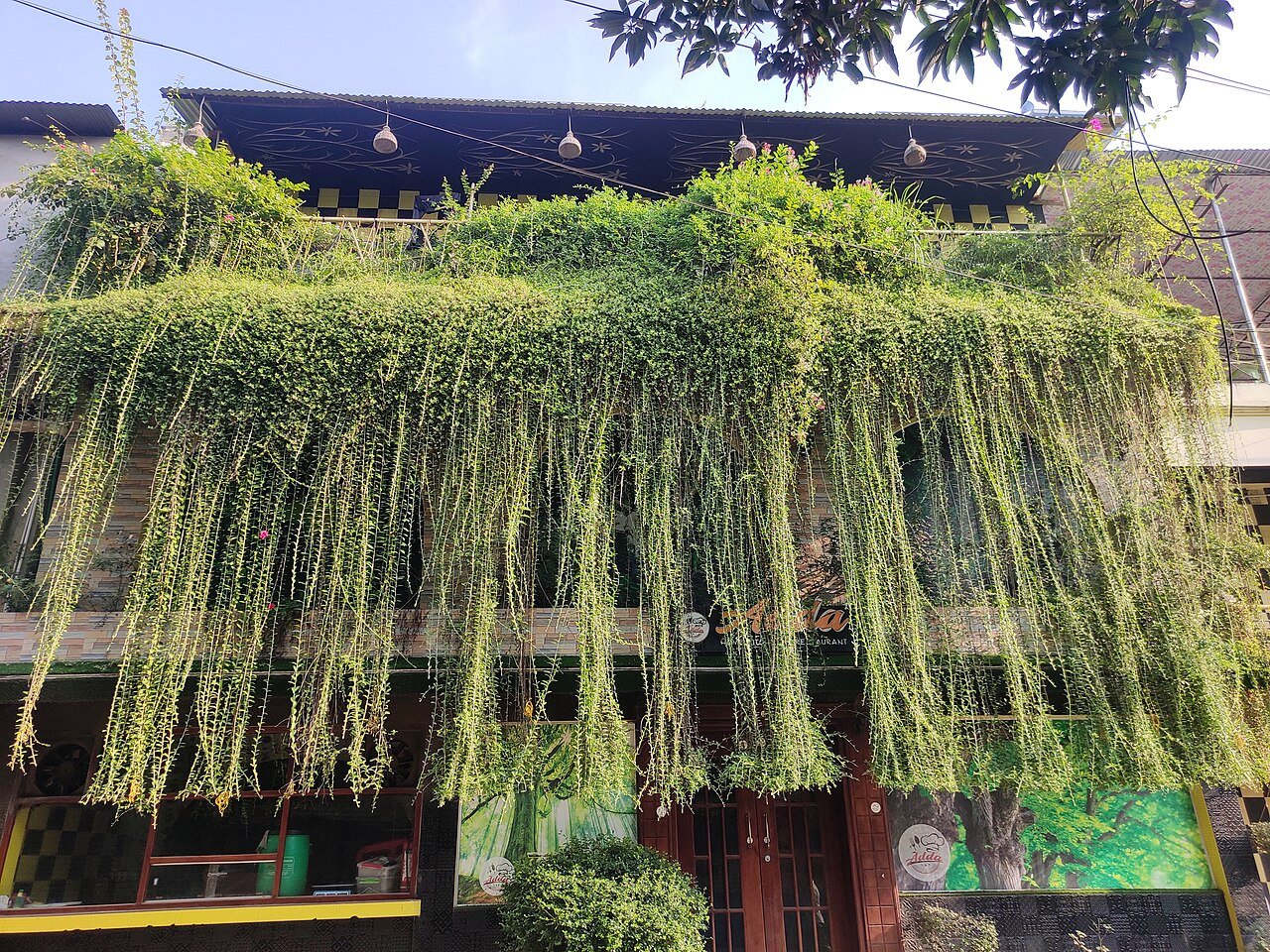
Mall and market food courts need speed, clear tokens, and menus that staff can navigate under pressure. Keep top sellers on quick keys.
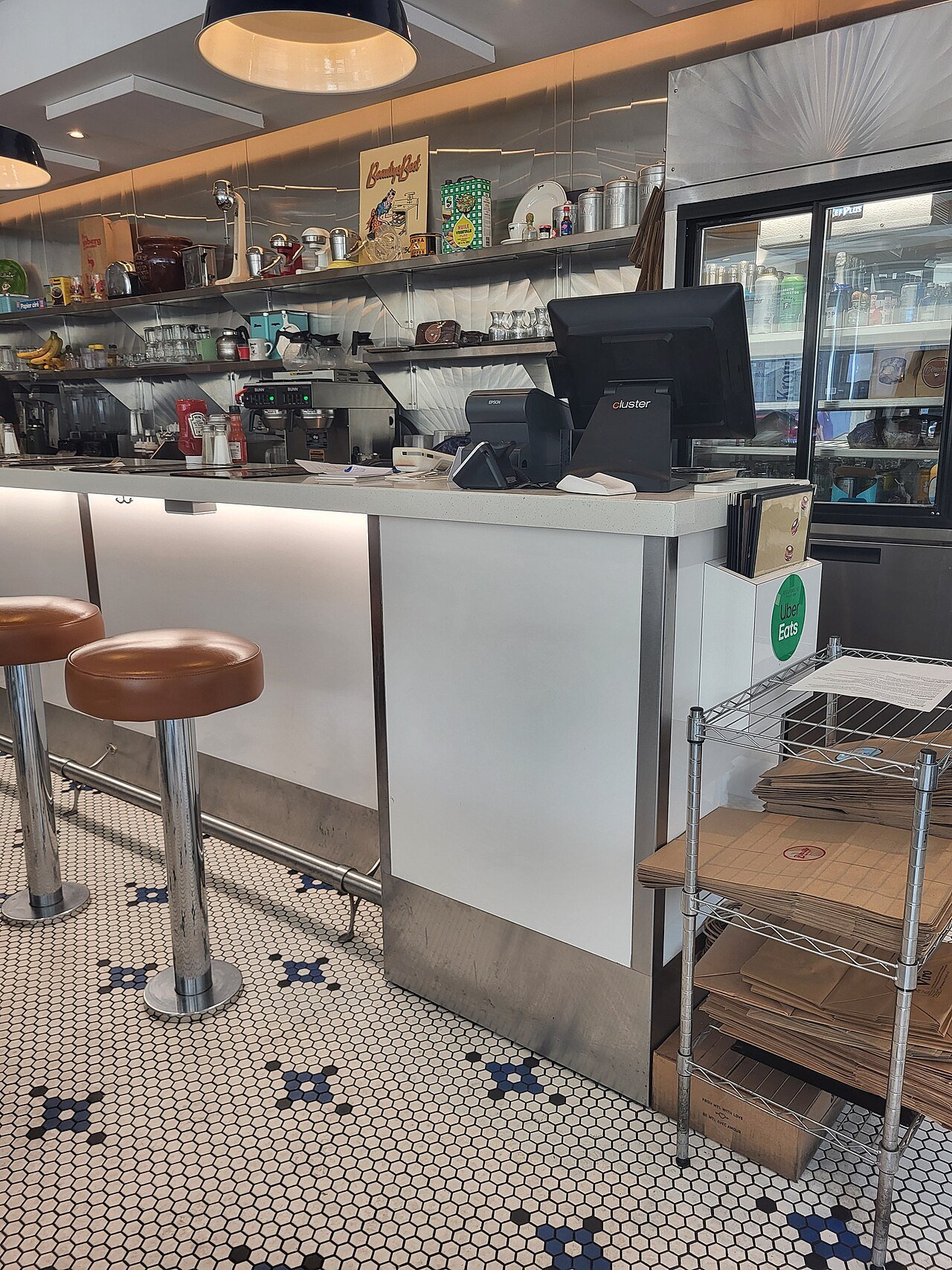
Repeat neighbourhood guests respond to recognition — preferred table, usual order notes, occasional thank-you offers. Capture details ethically and use them sparingly.
This guide covers operations. For myKitchenMate features, pricing, and demos in Amritsar, open the city POS page.
Amritsar’s food map runs from tourist-heavy Hall Bazaar and Mall Road to residential Ranjit Avenue and Lawrence Road. Putlighar and Chheharta add neighbourhood volume away from the heritage core. Festival spikes and pilgrim traffic mean kitchens must stay aligned with the counter — verbal tickets fail when the floor is packed.
Residential dining corridor with steady local demand and delivery tickets.
Café and casual stretch — modifiers and table merges show up every evening.
Heritage-market intensity; speed and accuracy beat fancy floor plans.
Local eat-out zones where inventory variance shows up first on popular dishes.
Visitor and evening crowds — multi-payment billing and reprint control matter.
Outer-area outlets running independent counters with central menu needs later.
Quick answers about restaurant operations in Amritsar.
Separate KOT queues or clear priority rules, plus prep lists based on historical hour-wise sales.
Yes — start with your top ten ingredients and expand as data quality improves.
Billing, kitchen tickets, and reporting on one platform — built for mixed dine-in and takeaway workflows.